Where to eat in Nanjing
Six dishes that define the city, where locals actually queue for them, and the two food streets that are not tourist traps.
Salted duck (盐水鸭)
The city’s signature and the thing to eat first. Brined, poached gently, served cold — nothing like Peking duck. The meat should be pale, the skin thin, the flavour clean and saline rather than spiced.
Where: any shop with a queue of locals. Zhangyun (章云板鸭) near Laomen Dong is the famous one; every neighbourhood has an equivalent. ¥25–35 for a quarter duck, chopped, in a bag.
Duck blood vermicelli soup (鸭血粉丝汤)
Breakfast, lunch or a 10pm fix. Clear duck broth, cubes of soft blood curd, glass noodles, liver, intestine and a scatter of coriander. ¥18–28.
Where: Yade (鸭得堡) has branches everywhere and is consistent. The better bowls are in the unmarked shops off Ke Lane.
Pi du noodles (皮肚面)
Nanjing comfort food and almost unknown outside the city. Wheat noodles in pork broth with fried pork skin (the pi du), liver, shrimp, tomato and greens. Rich, salty, enormous. ¥20–30.
Where: Yixingji (易记皮肚面) near Xinjiekou. Order the full version, not the plain one.
Soup dumplings, Nanjing-style (汤包)
Sweeter and larger than Shanghai’s xiaolongbao, with more broth and a thicker skin. Eat with a straw or bite-and-slurp. ¥15–25 a basket.
Where: Jiming Soup Dumplings (鸡鸣汤包) — the original branch near Jiming Temple.
The two streets that are worth it
Ke Lane (科巷) is a covered market alley off Changjiang Road with no tourism at all: breakfast stalls, roast duck counters, a shop selling only fermented tofu. Go at 7:30am.
Laomen Dong (老门东) is the restored Ming–Qing quarter south of Zhonghua Gate. Touristy in the main lane, genuinely good one street back — look for the shops with handwritten menu boards and no photographs.
The one to skip
Fuzimiao (夫子庙) food street. It is not bad, it is just twice the price for half the care, and the queues are all visitors. You will pass through it anyway to see the Confucius Temple; eat before you arrive.
Practical
Nanjing restaurants close early by Chinese standards — kitchens often stop at 9pm. Cash is nearly useless; set up Alipay or WeChat Pay before you arrive. Menus with photographs are a red flag in the city centre and a necessity in the suburbs.
Common questions
Is Nanjing food spicy?
Not really. It is salty and savoury with a slight sweetness — closer to Huaiyang cuisine than to Sichuan. Chilli oil is offered, not assumed.
How much should a day of eating cost?
¥100–150 if you eat where locals eat. Breakfast ¥15, lunch ¥25, dinner ¥60, plus snacks.
Related
The apps and data setup that makes China easy
An eSIM that works on landing, a map that loads, camera translation, and the two apps you will open every day. Set all of it up at home, while you can still read the error messages.
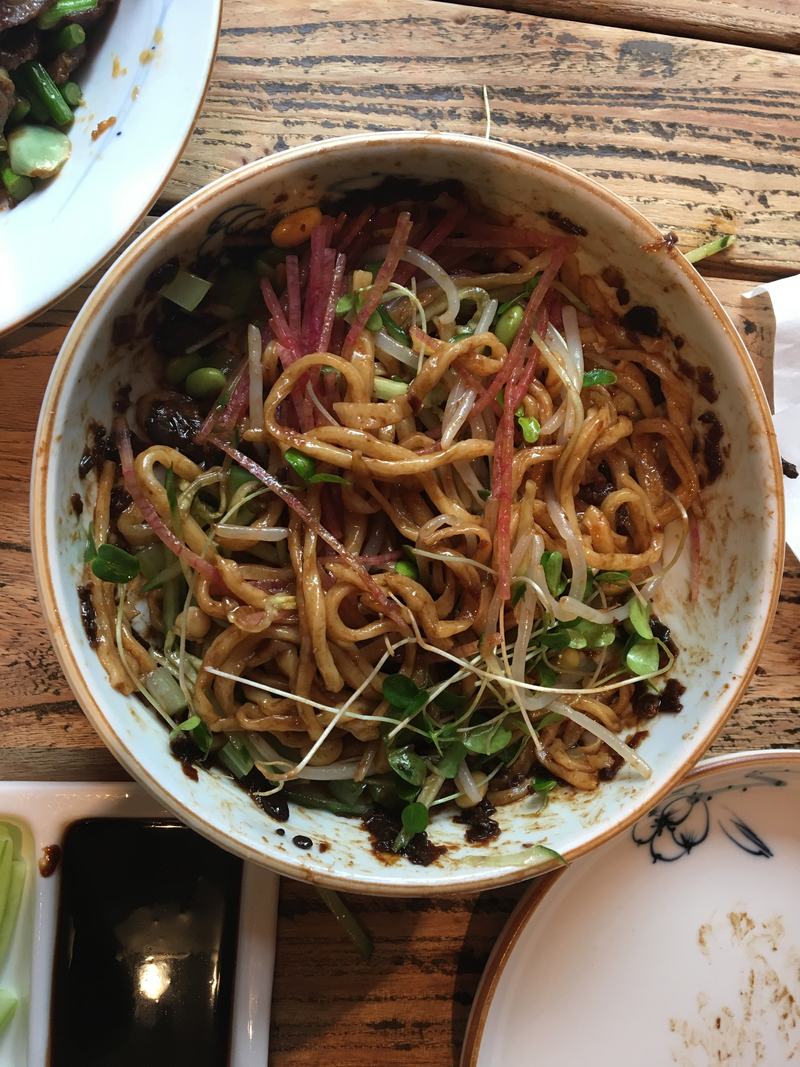
Where to eat in Beijing
What to order, what it costs, and which famous restaurants are actually worth the two-week wait. Written after eating badly for a week so that you don't.
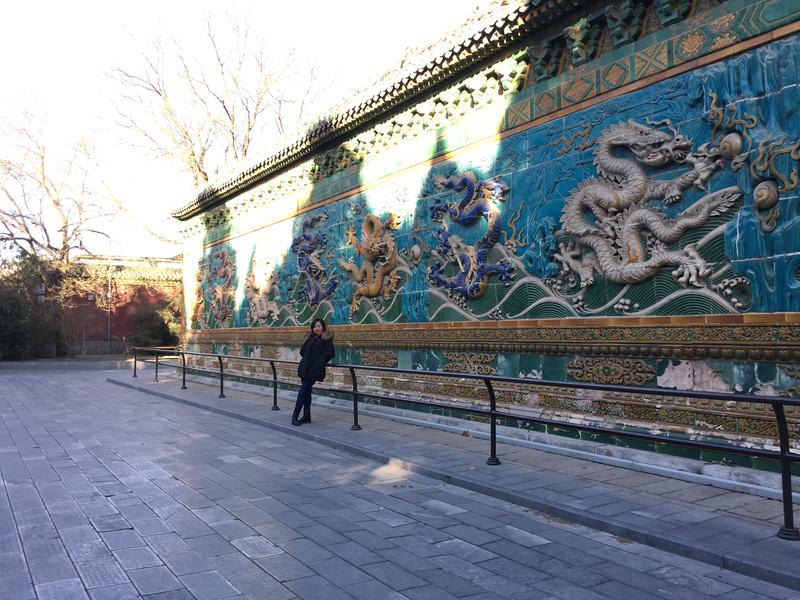
The Forbidden City in half a day, without the crowd
The route that skips the conveyor belt down the central axis, the exact ticket timing, and where to pop out for the best view in Beijing.
Want a plan that fits your dates?
Tell us your dates, budget and what you actually like doing — we will send back a day-by-day plan by email. No charge for the first draft.
Plan with us →