Paying for anything in China with a foreign card
China is functionally cashless and your Visa card does not work in shops. This is the exact setup that does, done before you fly, in twenty minutes.
What you actually need
Two apps, both set up before you leave home, on a phone that will have data in China:
- Alipay (支付宝) — the more reliable one for foreigners, with an English interface and a dedicated international-card flow.
- WeChat Pay (微信支付) — needed for some mini-programs, some small shops, and anything where you pay a person directly.
Both accept foreign Visa, Mastercard, Amex, JCB and Discover. Both require passport verification, which is why you do this at home on a stable connection rather than in an airport arrivals hall.
Alipay, step by step
- Install Alipay. Choose English.
- Register with your home phone number.
- Go to Account → Bank Cards → Add and enter your card. Take a photo of the card and of your passport when asked.
- Wait for verification — usually instant, occasionally a few hours.
- Open the Transport tile and activate the metro/bus code for the cities you are visiting. This is the part that saves the most time.
- Test it: buy something small before you fly, if you can.
WeChat Pay
Same shape: install WeChat, register, then Me → Services → Wallet → Bank Cards. WeChat is stricter about verification and sometimes requires a friend already on WeChat to vouch for you. Do it early; it is worth having as a backup.
Where each one is needed
| Situation | Works with |
|---|---|
| Metro gates, buses | Alipay transport code |
| Restaurants, shops, convenience stores | Either, scan the QR on the counter |
| Street stalls, temples, small vendors | Either, personal QR code |
| Taxis (official) | Cash, Alipay, or the Didi app |
| Museum and attraction tickets | Usually a WeChat mini-program, so WeChat Pay |
| High-speed rail | 12306 app, foreign card directly |
The QR-code ritual
You will do this fifty times a day. Either you scan their printed code and type the amount, or you show your payment code and they scan you. Small shops prefer the second — it is faster and they cannot mistype the amount.
Cash, honestly
Bring ¥300–500 for the edge cases: a rural bus, a temple donation box, a taxi driver whose terminal is broken. Do not plan around it.
What still does not work
- Foreign debit cards, in most cases. Credit cards are far more reliable.
- Apple Pay linked to a non-Chinese card, in shops.
- Paying foreign friends back — bank transfers between a foreign and a Chinese account are painful; use cash or a payment request.
- Anything requiring a Chinese ID number, which includes some ticket pre-sales. Attractions usually have a passport pathway; if the mini-program will not accept your passport, buy at the counter with cash.
Common questions
Can I just use cash?
Legally yes, practically no. Shops must accept RMB notes by law, but most have no change and staff genuinely do not know where the cash box is. Carry ¥200 as backup, not as a plan.
Does my foreign Visa or Mastercard work?
In international hotels, airports and high-end malls, yes. In a noodle shop, a metro ticket machine or a taxi, no. Link it to Alipay or WeChat Pay and it works everywhere.
Are there fees?
Alipay charges no fee on foreign cards for transactions under ¥200, and about 3% above that. Your own bank may add a foreign transaction fee on top.
Related
The apps and data setup that makes China easy
An eSIM that works on landing, a map that loads, camera translation, and the two apps you will open every day. Set all of it up at home, while you can still read the error messages.
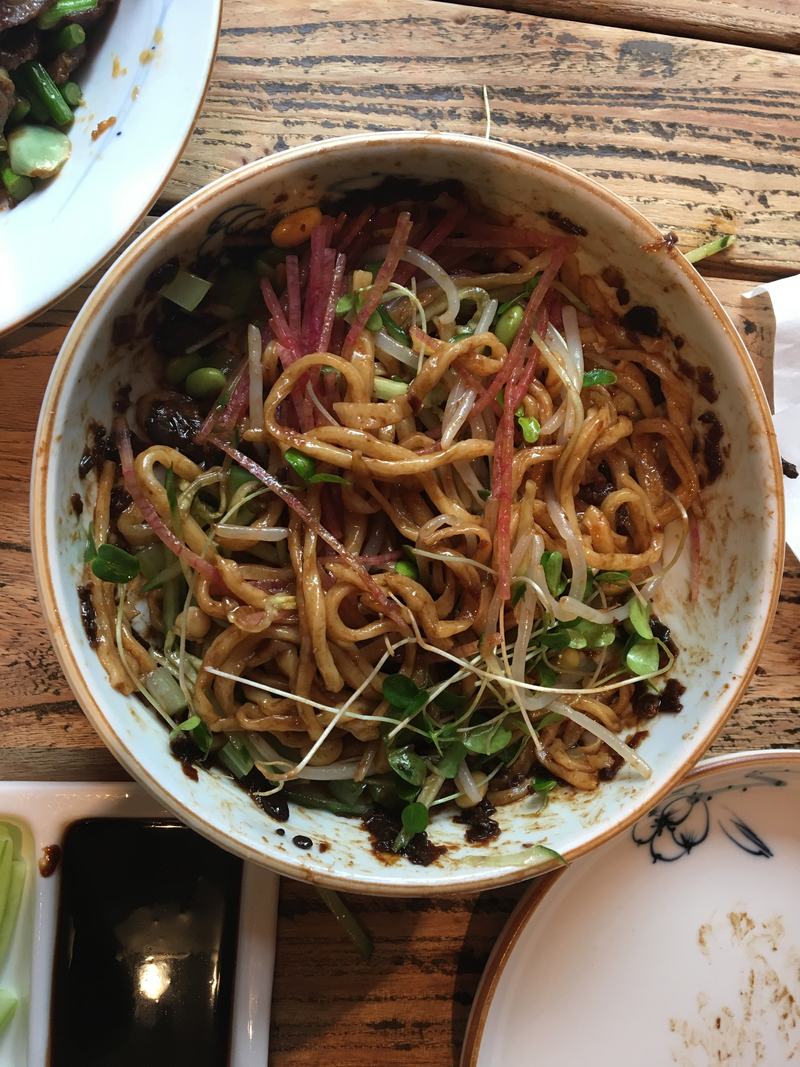
Where to eat in Beijing
What to order, what it costs, and which famous restaurants are actually worth the two-week wait. Written after eating badly for a week so that you don't.
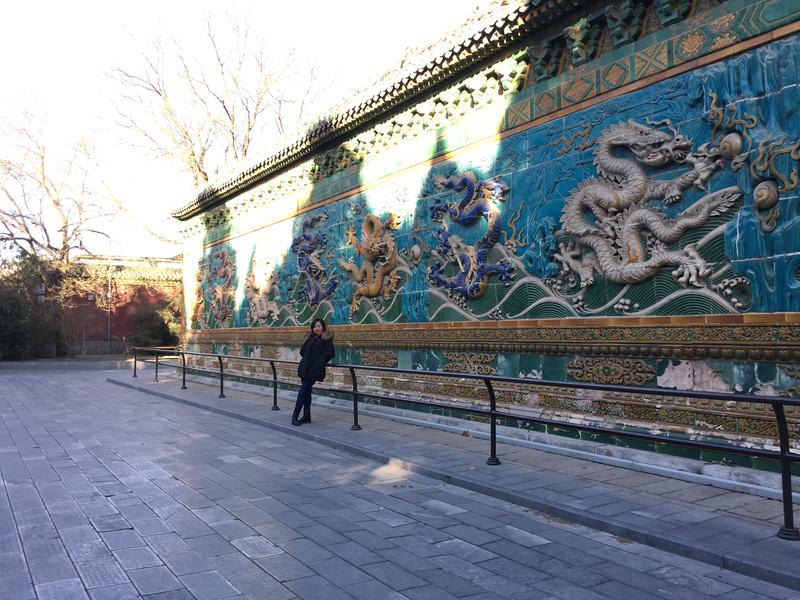
The Forbidden City in half a day, without the crowd
The route that skips the conveyor belt down the central axis, the exact ticket timing, and where to pop out for the best view in Beijing.
Want a plan that fits your dates?
Tell us your dates, budget and what you actually like doing — we will send back a day-by-day plan by email. No charge for the first draft.
Plan with us →