Booking and riding China's high-speed rail
12306 in English, why your passport is the ticket, which station in each city you actually want, and the seat classes worth paying for.
Which app
12306 is the official one, and it now has a proper English interface and accepts foreign cards. It is also the only way to see real availability and real prices without a markup.
Trip.com is the alternative: English, foreign cards, small booking fee, and excellent for itinerary changes. Use it if 12306 fights you.
Do not use a hotel concierge unless you enjoy paying ¥80 for a ¥5 service.
Your passport is the ticket
Book with the exact name and number on your passport. On the day, you walk to the gate, put the passport on the reader, and the gate opens. That is the whole process.
This also means: arrive 20–30 minutes early, not five. Chinese stations are airports without planes — security screening, big concourses, numbered waiting areas, and gates that close two minutes before departure.
Which station
This is where people lose an hour.
| City | High-speed station | Not this one |
|---|---|---|
| Beijing | Beijing South (北京南) | Beijing Station (北京站, slow trains) |
| Shanghai | Shanghai Hongqiao (上海虹桥) | Shanghai Station (上海站) |
| Nanjing | Nanjing South (南京南) | Nanjing Station (南京站) |
| Xi’an | Xi’an North (西安北) | Xi’an Station (西安站) |
| Hangzhou | Hangzhou East (杭州东) | Hangzhou Station (杭州站) |
The old stations still serve sleeper and regional trains and are nowhere near the new ones. Check the station name on your ticket, character by character.
Seat classes
- Second class (二等座) — 3+2 seating, comfortable, 40% cheaper. This is what almost everyone books.
- First class (一等座) — 2+2, wider, quieter, about 1.6× the price. Worth it on journeys over 4 hours.
- Business (商务座) — 1+2 pods, lie-flat on some trains, 3× the price. A treat, not a necessity.
All classes have power sockets, a luggage rack and a hot-water dispenser at the carriage end. There is a trolley selling instant noodles and bad coffee.
What the ride is like
Board when the gate opens — the train stops for two to four minutes at intermediate stations and will leave without you.
Baggage goes on the rack above your seat; there is no check-in. Nobody weighs anything.
The food is bad. Buy lunch at the station. Hot water is free and everyone brings their own tea or instant noodles, which is the correct local move.
The reliable routes
- Beijing → Shanghai: 4h30, every 20 minutes
- Shanghai → Nanjing: 1h30, every 15 minutes
- Beijing → Xi’an: 4h30, hourly
- Shanghai → Hangzhou: 1h, every 10 minutes
- Xi’an → Chengdu: 3h30, hourly
Anything under four hours and the train beats flying once you count airport time, security and the 40-minute transfer into most Chinese cities.
Common questions
Do I need to collect a paper ticket?
No. Since 2020 your passport is the ticket on almost all routes. You scan the passport at the gate. Only a handful of small stations still print anything, and even there you do not need it in advance.
How far ahead should I book?
Ten to fourteen days for holiday periods and popular Friday/Sunday trains. For a random Tuesday in November, two days is enough.
What if my passport number is wrong on the booking?
The booking is void. Names and numbers are checked at the gate. Rebook; there is no correction process worth attempting.
Related
The apps and data setup that makes China easy
An eSIM that works on landing, a map that loads, camera translation, and the two apps you will open every day. Set all of it up at home, while you can still read the error messages.
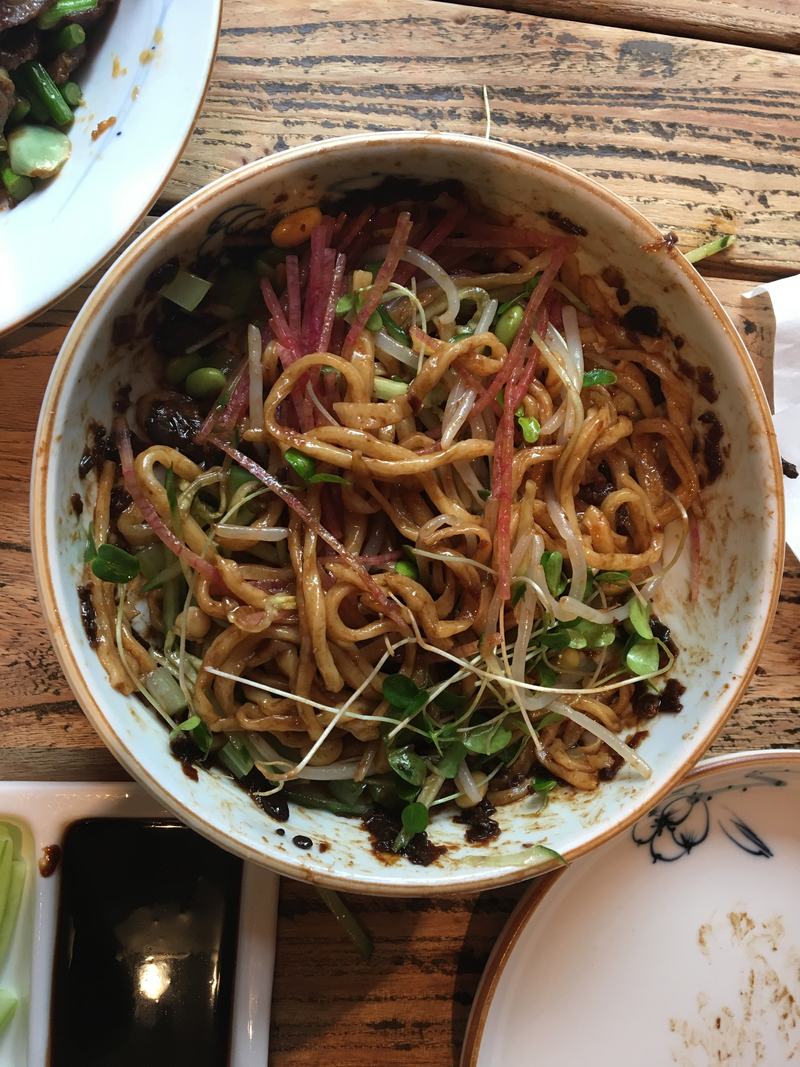
Where to eat in Beijing
What to order, what it costs, and which famous restaurants are actually worth the two-week wait. Written after eating badly for a week so that you don't.
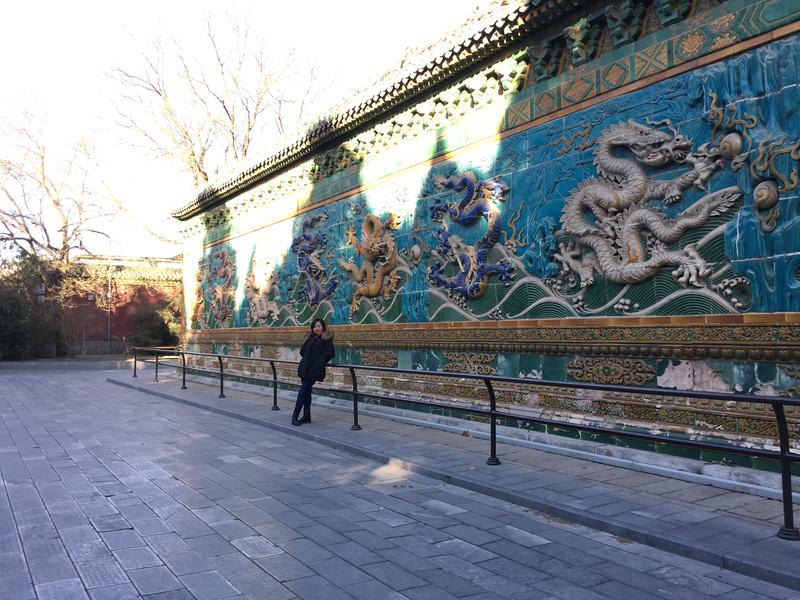
The Forbidden City in half a day, without the crowd
The route that skips the conveyor belt down the central axis, the exact ticket timing, and where to pop out for the best view in Beijing.
Want a plan that fits your dates?
Tell us your dates, budget and what you actually like doing — we will send back a day-by-day plan by email. No charge for the first draft.
Plan with us →